Parliament Adjourned Sine Die After Budget Session; Nine Bills Passed, Productivity Remains High

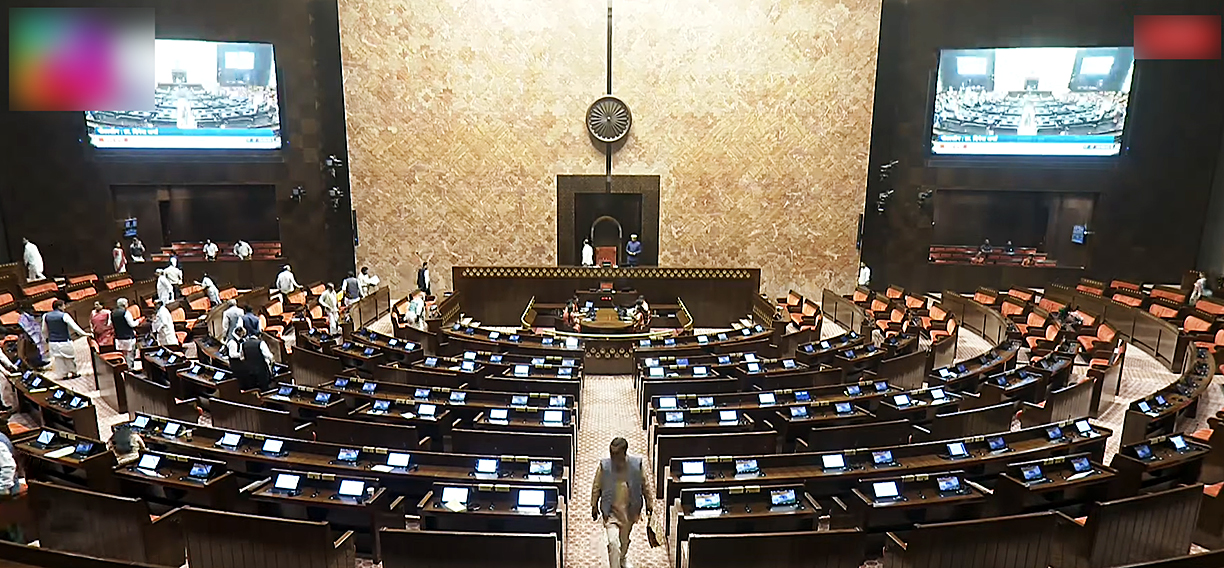
Both Houses of Parliament of India were adjourned sine die on Saturday, bringing the Budget Session 2026 to a close after 81 days and 31 sittings. The session, which began on January 28, saw a total of 13 sittings in its first phase, followed by 15 in the second and three in the final phase.
Despite disruptions during key debates, the session recorded strong productivity, with the Lok Sabha achieving around 93 per cent productivity and the Rajya Sabha exceeding 100 per cent at approximately 110 per cent.
The session commenced with the President’s Address under Article 87(1) of the Constitution, followed by discussions on the Union Budget 2026–27, which was presented on February 1.
While the debate on the Motion of Thanks in the Lok Sabha was curtailed due to disruptions, the Rajya Sabha saw extensive participation.
During the course of the session, a resolution seeking the removal of the Lok Sabha Speaker was discussed but ultimately negatived after a two-day debate.
On the legislative front, a total of nine bills were passed by both Houses. These included key measures such as the Finance Bill, 2026, the Appropriation Bills, and amendments to laws governing industrial relations, insolvency, and transgender rights.
In all, 12 bills were introduced in the Lok Sabha and one in the Rajya Sabha, while one bill was withdrawn.
The Constitution (One Hundred and Thirty-First Amendment) Bill, 2026, which sought to provide reservation for women through delimitation, could not secure the required majority and did not proceed further, along with related legislation.
The session also witnessed the passage of supplementary demands for grants, discussions on the functioning of key ministries, and statements by Prime Minister Narendra Modi on the West Asia conflict.
The government said the session facilitated key legislative and financial business, while reinforcing parliamentary oversight and debate, concluding a crucial phase of policymaking for the financial year.