National Workshop On ‘Mission Zero’ Focuses On Ending Fatalities In Sanitation Work
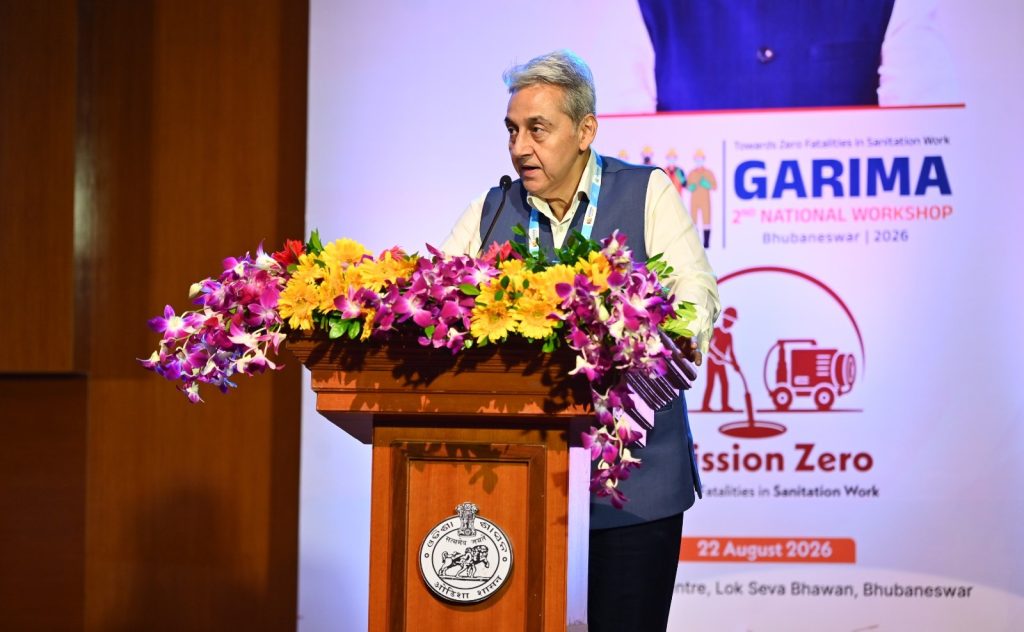
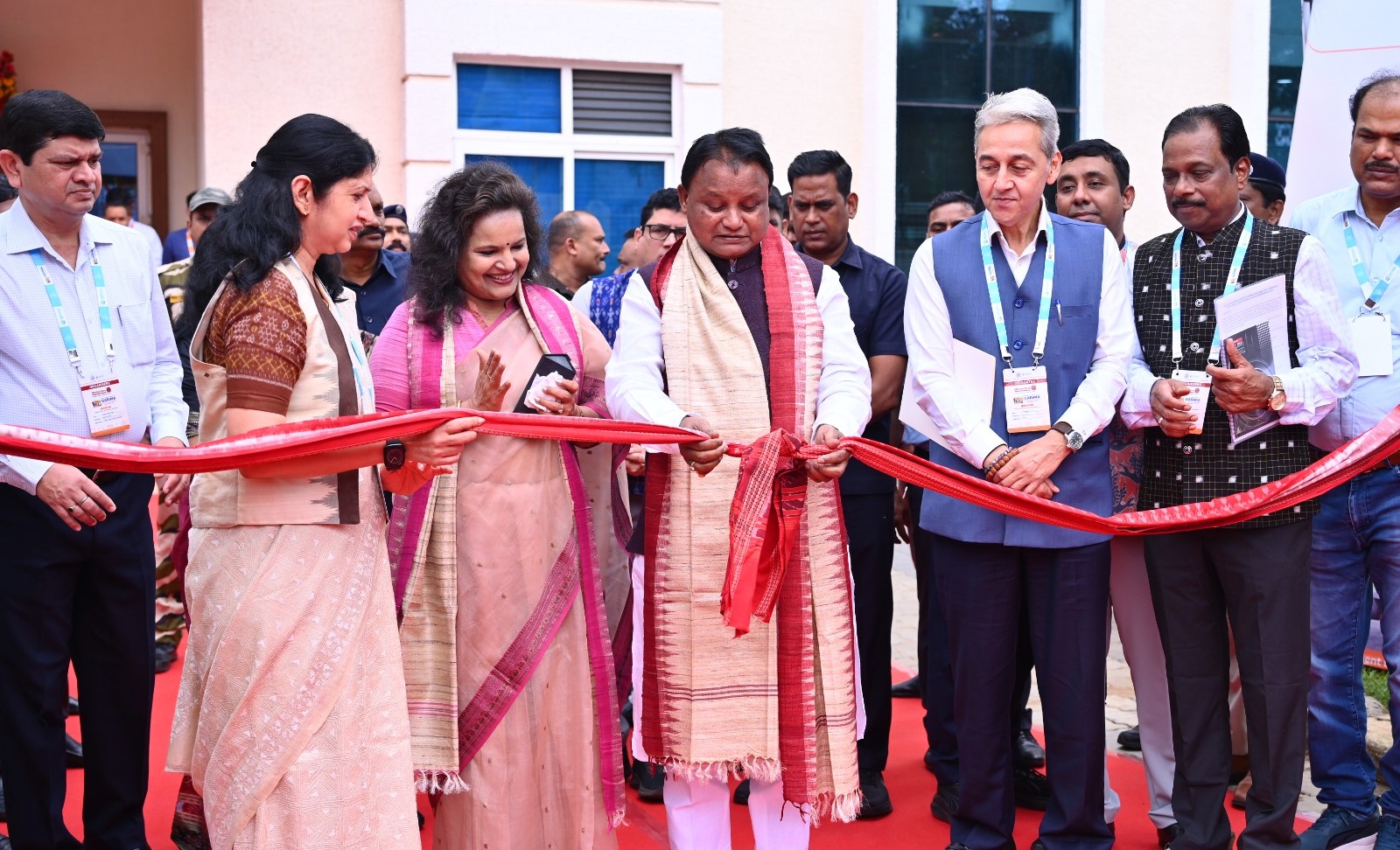
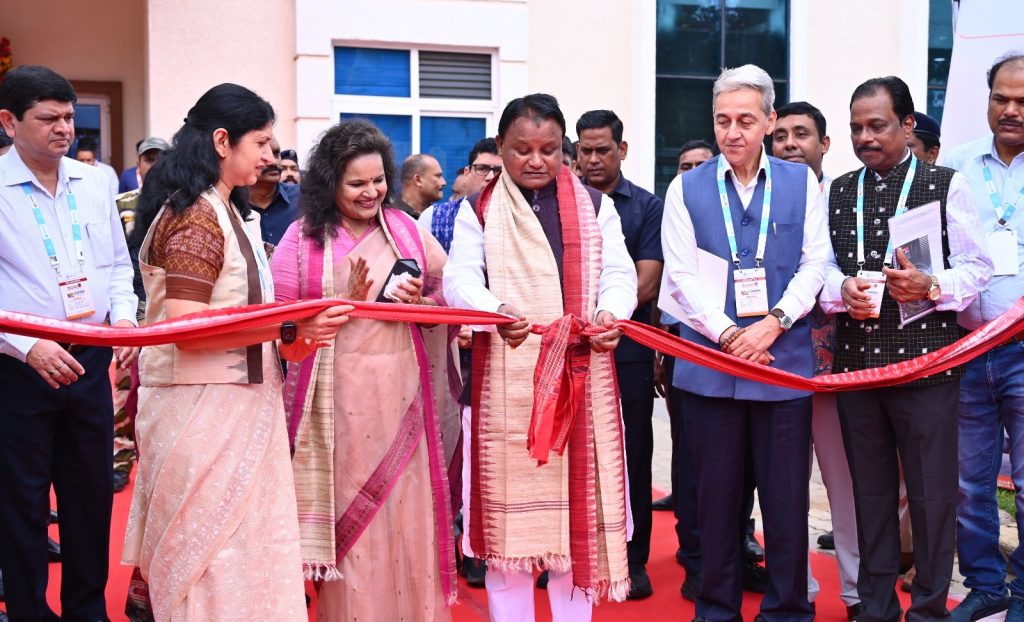
A national workshop on “Mission Zero: Ending Fatalities in Sanitation Work” was organised at the State Convention Centre, Lokseva Bhawan, in Bhubaneswar on Saturday, with a focus on strengthening institutional mechanisms, promoting appropriate technologies and expanding mechanised sanitation services across the country.
Odisha Chief Minister Mohan Charan Majhi attended the workshop. Secretary, Ministry of Social Justice and Empowerment, Sudhansh Pant; Odisha Chief Secretary Anu Garg; Additional Chief Secretary of the state’s Housing and Urban Development Department Usha Padhee, and other senior officials and sanitation-sector stakeholders were also present.
The workshop brought together senior government officials, representatives of Urban Local Bodies (ULBs), sanitation-sector experts, manufacturers, technology providers, civil society organisations and sanitation workers to discuss measures for building a safe, dignified and fully mechanised sanitation ecosystem.
The discussions focused on strengthening institutional mechanisms, ensuring operational preparedness, adopting suitable technologies and scaling up mechanised sanitation services, with the overarching objective of achieving zero fatalities in sanitation work.
Addressing the gathering, Sudhansh Pant said achieving zero fatalities in sanitation work was a key national priority under the vision of Prime Minister Narendra Modi. He stressed the need for a whole-of-government approach to ensure that sanitation services are delivered safely, systematically and with dignity.
Pant highlighted the implementation of the NAMASTE and GARIMA schemes to promote mechanisation and support the occupational safety, health, education and livelihood opportunities of sanitation workers and their dependants.
He said the Swachhata Sarthi/waste picker component, introduced in 2024, had further strengthened the framework by bringing waste pickers within the ambit of social and economic empowerment initiatives.
The Secretary said NAMASTE has been extended until 2031, with a focus on ensuring systematic sanitation service delivery through Emergency Response Sanitation Units (ERSUs), advancing the Mission Zero agenda and achieving saturation of welfare measures for sanitation workers and their families.
The workshop also provided a platform for stakeholders to share experiences, showcase innovations and discuss practical solutions for safer sanitation operations.
Pant visited a marketplace displaying safety devices and equipment and interacted with stakeholders showcasing technologies aimed at improving the safety and efficiency of sanitation workers. He also visited stalls set up by Waste-to-Wealth Self-Help Groups comprising waste pickers and sanitation workers, highlighting opportunities for livelihood generation, entrepreneurship and sustainable waste management.
The event saw participation from representatives of the Centre and the Odisha government, senior ULB officials, the Central Public Health and Environmental Engineering Organisation (CPHEEO), sanitation-sector institutions, civil society organisations, technology and equipment providers, and sanitation workers.
The participation of stakeholders from across sectors underscored the need for coordinated action among governments, ULBs, technology providers and communities to eliminate hazardous manual sanitation practices.
The workshop reaffirmed the collective commitment to creating a safe, dignified, technology-driven and sustainable sanitation ecosystem in which no sanitation worker loses their life while performing sanitation duties.
The Mission Zero approach seeks to transform sanitation services through mechanisation, institutional preparedness, enhanced worker safety, social security and livelihood support, with the aim of eliminating fatalities in sanitation work across the country.