Leh Launches Comprehensive Roadmap for Efficient Urban Freight with City Logistics Plan Workshop
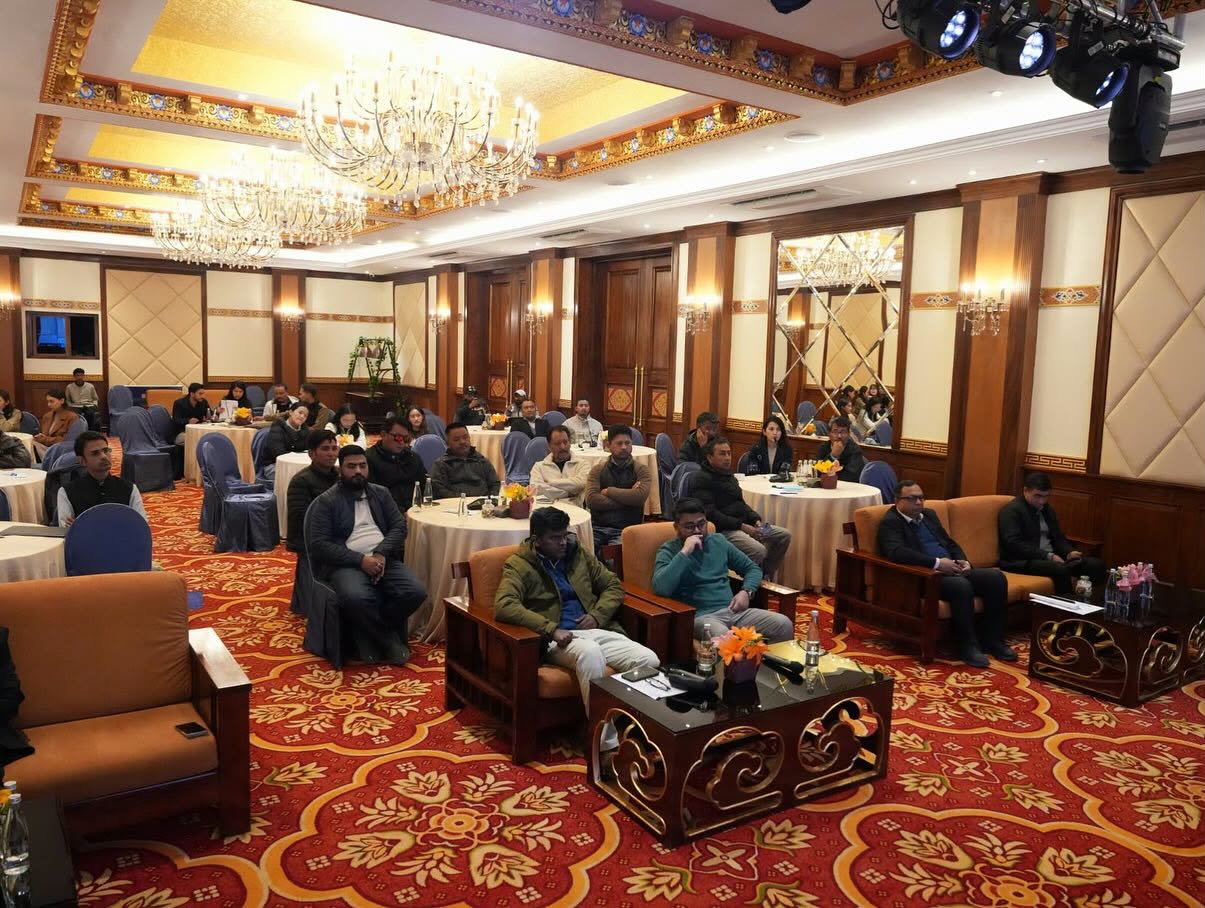
Leh, October 16, 2026: In a significant step towards streamlining urban mobility and commercial activities, the Housing and Urban Development Department (HUDD), UT Ladakh, in collaboration with the German development agency GIZ and the Department for Promotion of Industry and Internal Trade (DPIIT), Government of India, organised the Kick-off and Stakeholder Workshop for the preparation of the City Logistics Plan (CLP) for Leh Town at Hotel Grand Dragon today.
The session began with a welcome address by Assistant Director, Directorate of Urban Local Bodies, Leh, Sh. Stanzin Rabgais, who welcomed the dignitaries and participants. He expressed his gratitude to all stakeholders for their participation and highlighted the importance of the workshop in bringing together departments and concerned stakeholders to develop an effective and coordinated approach to urban logistics in Leh.
Addressing the gathering, Sh. Arava Gopi Krishna, IAS, Secretary, Housing and Urban Development Department, UT Ladakh, stated that Ladakh had been identified by the Government of India as one of 50 cities across the country for the preparation of a City Logistics Plan. He expressed hope that the plan would improve efficiency, sustainability and coordination in the movement of goods within urban areas.
He highlighted that Leh presents a unique combination of opportunities and challenges. As an important centre for tourism, local businesses, handicrafts, commercial activities and other economic sectors, Leh generates a growing demand for the movement of goods. However, the region’s geographical conditions, limited urban space, narrow roads and seasonal variations, particularly the sharp increase in tourist activity during the summer months, require a locally tailored approach to urban logistics.
He emphasised that a one-size-fits-all approach adopted in other cities would not be suitable for Ladakh and that the City Logistics Plan must be designed in accordance with local conditions. He stated that the objective should be to regulate and streamline the movement of goods while making it more efficient, organised and predictable.
He further noted that the plan should focus on rationalising travel times, improving urban planning, managing urban parking, facilitating the movement and parking of commercial vehicles, and strengthening coordination among the departments concerned.
Sh. Gopi Krishna also stressed the importance of taking all stakeholders into confidence during the planning process. He stated that their views and concerns, including issues related to employment opportunities, should be duly considered, as their participation and cooperation would be essential for the successful implementation of the plan. He emphasised that the proposed measures should improve efficiency without causing unnecessary disruptions to local businesses and other stakeholders.
Referring to the proposed one-year timeline for preparing the plan, he expressed the expectation that the process could be completed much earlier, considering the relatively smaller size of the urban area. He suggested that consultations with stakeholders and a practical assessment of local requirements would help identify feasible solutions that could be effectively implemented on the ground.
Citing the example of the city’s master plan, he observed that certain high-tech solutions, such as tram services, might not be practical due to narrow roads and other geographical constraints. He emphasised that the City Logistics Plan should prioritise realistic, locally appropriate and implementable solutions that address the needs of the administration, businesses and the public.
He concluded by thanking DPIIT ,GIZMO and all stakeholders for their participation and contributions towards the preparation of an effective and sustainable City Logistics Plan for Ladakh.
The workshop was also witness Sh. Romil Singh Donk, IAS, Director, Housing and Urban Local Bodies/Deputy Commissioner, Leh, and Sh. Sonam Norbo, JKAS, Director, Industries and Commerce, UT Ladakh, along with other government officials, transport experts, local stakeholders and industry representatives.
Speaking virtually on the occasion, Ms. Yashasvi Mund, Director, DPIIT, highlighted the importance of interdepartmental coordination and stakeholder engagement in identifying existing challenges and developingk practical solutions to improve urban mobility. She noted that the workshop would help participants better understand their respective roles and contribute towards strengthening the City Logistics Plan for Leh.
Sh. Rakesh Tondar, Director, Technical Support Unit, DPIIT, also addressed the gathering. He highlighted the importance of preparing City Logistics Plans for Tier-II and Tier-III cities, following discussions at the Chief Secretaries’ Conference held in New Delhi in December 2024. He emphasised the need for extensive consultations with government departments, private enterprises and other stakeholders to ensure that the plan addresses local needs and challenges. He further stated that technical and financial support would be provided by DPIIT and the concerned agencies to develop a practical and actionable City Logistics Plan tailored to Leh’s geographical conditions and requirements.
Sh. Raghu Babu Nukala, Programme Director, GIZ, emphasised the importance of developing a practical and comprehensive City Logistics Plan through coordination among government departments, industries and other stakeholders. Drawing on experiences from other cities, he highlighted the need to address existing gaps in logistics systems, improve data sharing and strengthen interdepartmental coordination.
He stressed that the plan should be tailored to Leh’s local requirements rather than relying on ready-made solutions. He also highlighted the role of a City Logistics Coordination Committee in facilitating planning and implementation. He stated that initial action points could be identified within three to four months through collective efforts. He further explained that the workshop aimed to identify existing challenges, assess the availability of departmental data and develop practical solutions to improve urban logistics in Leh.
The initiative aims to address the unique logistical challenges of high-altitude urban centres by ensuring smoother goods distribution, minimising traffic congestion and reducing carbon emissions while supporting local trade and economic development. The discussions focused on identifying bottlenecks in existing supply chains, integrating environmentally friendly transport solutions and establishing a robust framework for Leh’s future commercial growth.
The active participation of diverse stakeholders reflected a collective commitment to building a smart, resilient and future-ready logistics ecosystem for Leh Town.
During the technical sessions, participants were briefed on the National Logistics Policy, the need for City Logistics Plans, the expectations of the Government of India, the benefits of such plans for cities, and the respective roles of DPIIT and GIZ. This was followed by an interactive discussion on city-specific freight challenges and stakeholder expectations. GIZ presented the methodology for preparing the City Logistics Plan and explained the comprehensive data requirements, including the application and utility of each dataset.
The afternoon session featured a ZOPP card activity in which participants identified relevant datasets and mapped them to the respective departments using cards and sticky notes. Department-wise groups subsequently prepared a Data Ownership Matrix detailing data formats, availability, designated focal persons and submission timelines. Each group then presented its findings.
The workshop concluded with an open discussion and validation of queries led by DPIIT, followed by closing remarks, participant feedback and a summary of the next steps for preparing the City Logistics Plan by the city administration, DPIIT and GIZ.