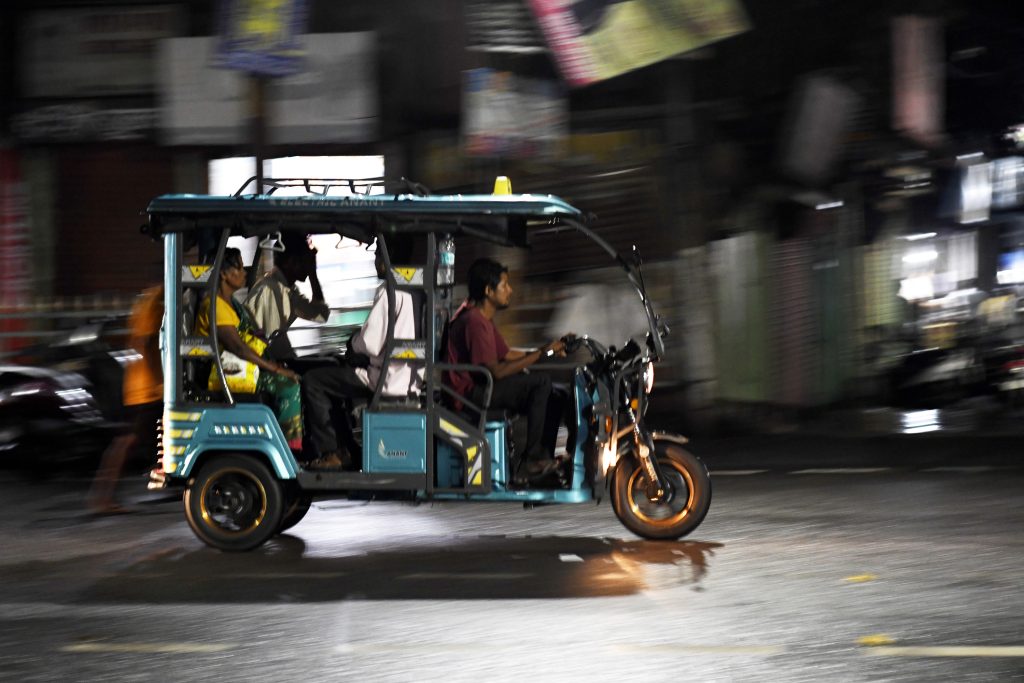
Government Directs Removal Of Unauthorised E-Rickshaw Battery Apps From App Stores

The Centre has ordered the removal of unauthorised Battery Management System (BMS) mobile applications from app stores after reports emerged that some of these apps enabled unauthorised remote control of e-rickshaw batteries, posing potential risks to consumers. The government issued the directive on July 3, 2026, as part of measures to safeguard users and strengthen cybersecurity across digital ecosystems.
Minister of State for Electronics and Information Technology Jitin Prasada informed the Lok Sabha on Wednesday that the government had taken cognisance of reports regarding the misuse of certain BMS applications and acted to ensure their removal from app stores.
The Minister said the government has also established a comprehensive and coordinated national cybersecurity framework to strengthen cyber resilience and protect citizens against emerging digital threats.
As part of this framework, the National Cyber Security Coordinator (NCSC), operating under the National Security Council Secretariat (NSCS), coordinates cybersecurity efforts among various government agencies. The Indian Computer Emergency Response Team (CERT-In) functions as the national agency for responding to cybersecurity incidents under the Information Technology Act, 2000.
The National Cyber Coordination Centre (NCCC), implemented by CERT-In, continuously monitors cyberspace to detect cyber threats and shares relevant information with government departments, state governments and other stakeholders for timely action.
To safeguard critical infrastructure, the government has also established the National Critical Information Infrastructure Protection Centre (NCIIPC) under the provisions of the IT Act. The centre is responsible for protecting critical information infrastructure from cyber threats.
The government further noted that consumer interests in the digital economy are protected through the Consumer Protection Act, 2019, which provides a modern legal framework for addressing issues arising from technology-driven and e-commerce markets.
In addition, the Ministry of Electronics and Information Technology (MeitY) is implementing the Information Security Education and Awareness (ISEA) project to build cybersecurity capacity and promote cyber hygiene among citizens. Awareness campaigns and educational resources are being disseminated through dedicated portals, including Stay Safe Online, Information Security Awareness, and the Cyber Swachhta Kendra.